Category: Blog
-
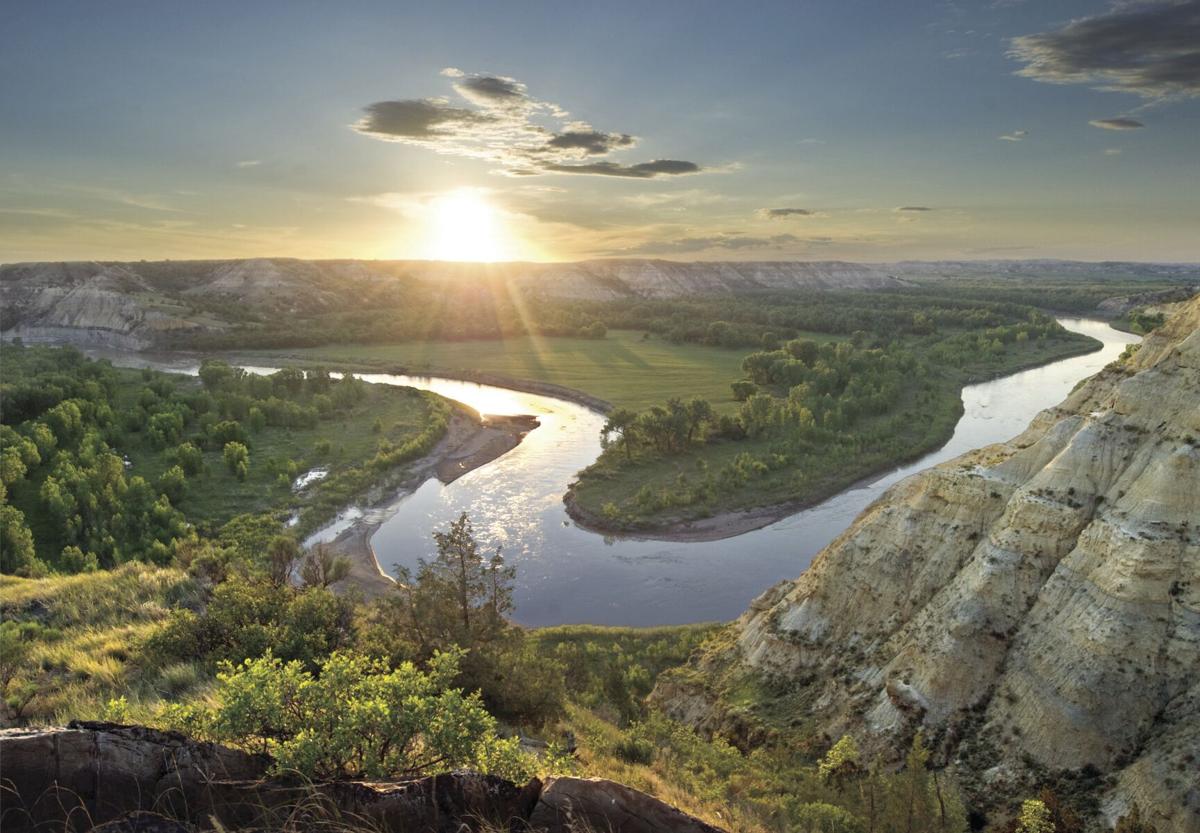
Hello North Dakota Debuts, Florida tourism breaks records, Hawaii Tourism Hits Rest
Hello North Dakota Debuts, Florida tourism breaks records, Hawaii Tourism Hits Rest March 22, 2023 The travel industry is making a strong comeback in 2023 with Florida taking the crown and other destinations vying for their piece of the global tourism market even as international tourism has not fully rebounded. Florida Emerges as the Ultimate…
-
The Future of Sustainable Tourism in Florida
The Future of Sustainable Tourism in Florida The tourism industry in Florida reached a new record in 2022, with 138 million visitors contributing over $100 billion to the state’s economy and employing 1.5 million people. The tourism industry is a vital component of Florida’s economy, contributing significantly to the state’s GDP and creating employment opportunities.…
-

Hawaii’s push to diversify tourism
Hawaii’s push to diversify tourism March 20, 2023 As the world slowly emerges from the pandemic’s grip, the tourism industry is seeing signs of hope and recovery. And in Hawaii, a place of stunning natural beauty and rich cultural heritage, the industry’s prospects are particularly bright. The tourism market in Hawaii is projected to reach…
-
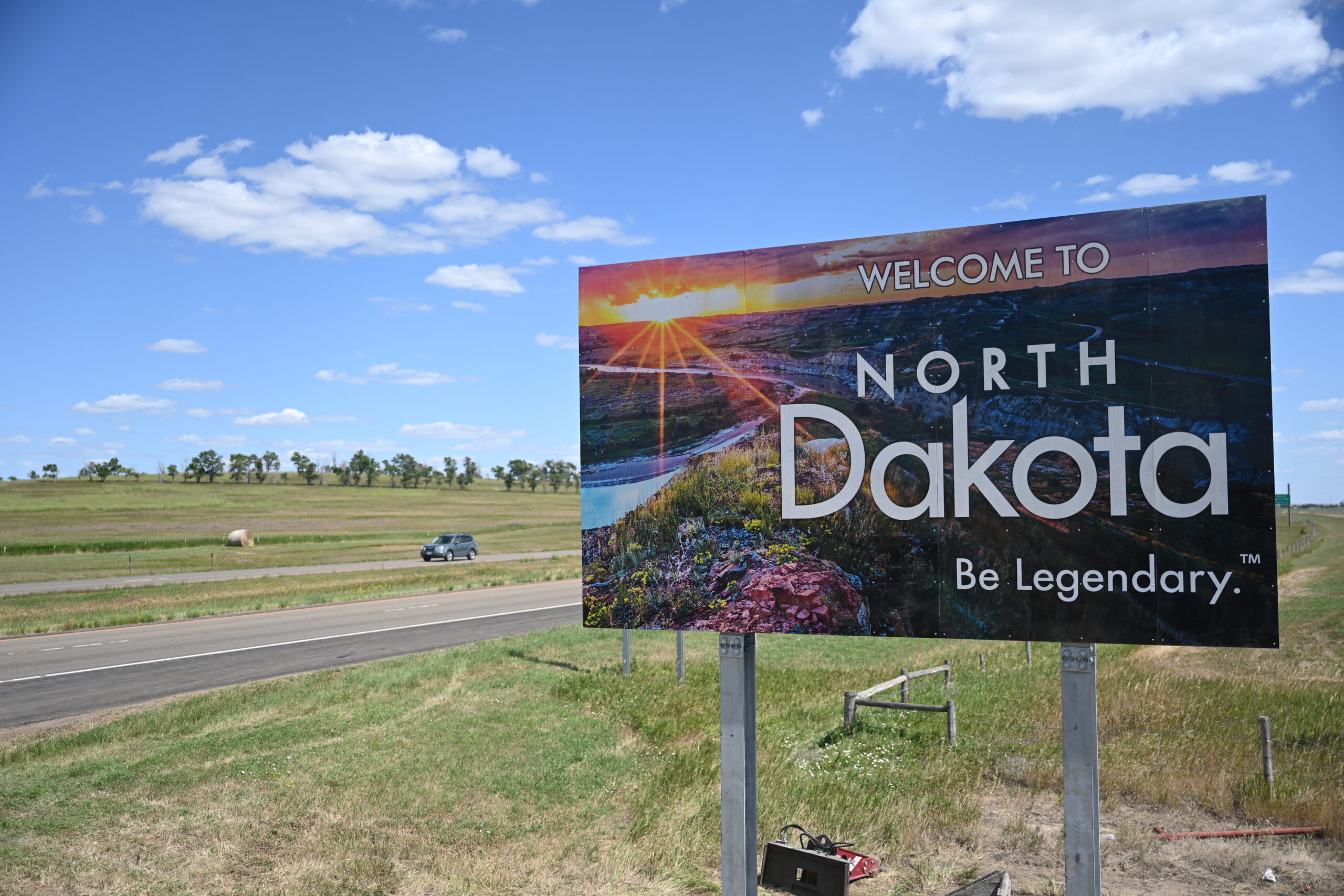
New Campaign Alert: “Hello North Dakota”
New Campaign Alert: “Hello North Dakota” March 19, 2023 North Dakota has been one of the hidden gems of the United States for far too long. With its stunning landscapes, unique attractions, and welcoming communities, it has always had the potential to be a top tourist destination. North Dakota’s tourism industry is focused on showcasing…
-
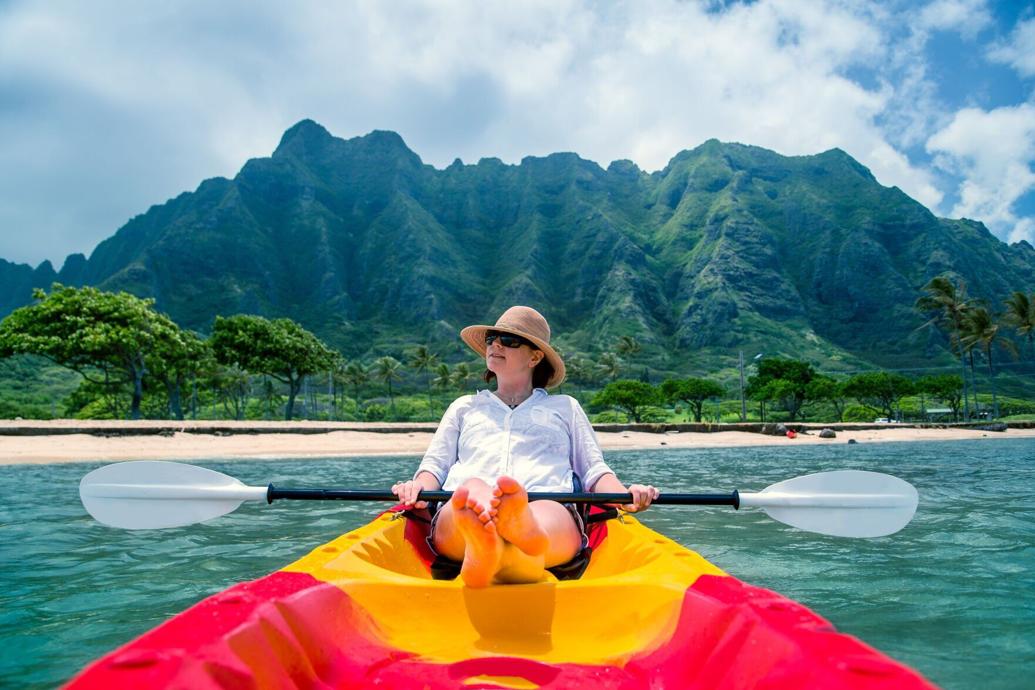
Hawaii Tourism’s Big Reset: The push to attract more than just beach tourism
Hawaii Tourism’s Big Reset: The push to attract more than just beach tourism March 18, 2023 Hawaii’s tourism industry is a vital part of its economy, contributing to over 20% of the state’s GDP and employing over 200,000 people. However, the COVID-19 pandemic has had a significant impact on the industry, resulting in decreased visitor…
-

The Resilience of Black-Owned Media: Overcoming Adversity and Paving the Way for a More Inclusive Industry
The Resilience of Black-Owned Media: Overcoming Adversity and Paving the Way for a More Inclusive Industry March 17, 2023 As the world of advertising continues to evolve, it’s important that we take a moment to reflect on the ways in which we can all work towards a more equitable and inclusive industry. One area…
-
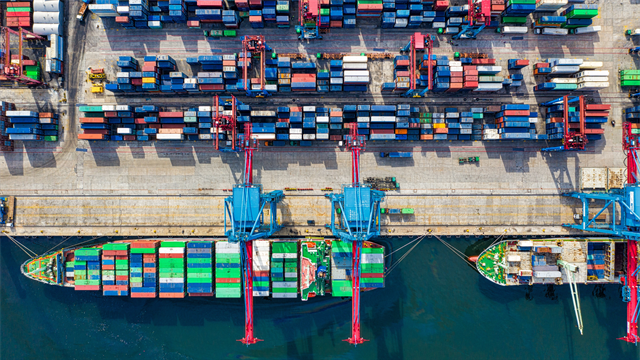
The Future of Puerto Rico’s Tourism Industry: Looking Ahead to 2023
The Future of Puerto Rico’s Tourism Industry: Looking Ahead to 2023 March 17, 2023 The pandemic may have presented its challenges, but with the dawn of 2023, we’re already seeing a promising recovery for Puerto Rico’s tourism industry that’s set to skyrocket in the coming months. Puerto Rico is a breathtaking Caribbean island with an…
-

Semiconductor Shortage Crisis: How the CHIPS + Science Act is Helping Industry Meet Demand
Semiconductor Shortage Crisis: How the CHIPS + Science Act is Helping Industry Meet Demand March 16, 2023 The Biden administration’s aggressive move to boost domestic semiconductor chip manufacturing in the U.S. is drawing more collaboration among several Federal agencies. With the prolonged impact from the pandemic that’s caused disruptions in supply chains, delayed production, and…
-

Chatbots and Customer Experience: How AI is Changing the Face of Customer Service
Chatbots and Customer Experience: How AI is Changing the Face of Customer Service March 15, 2023 The world of customer service has undergone a significant shift in recent years, thanks to the advent of chatbots powered by artificial intelligence (AI). Chatbots are computer programs that use natural language processing to interact with customers and provide…
-
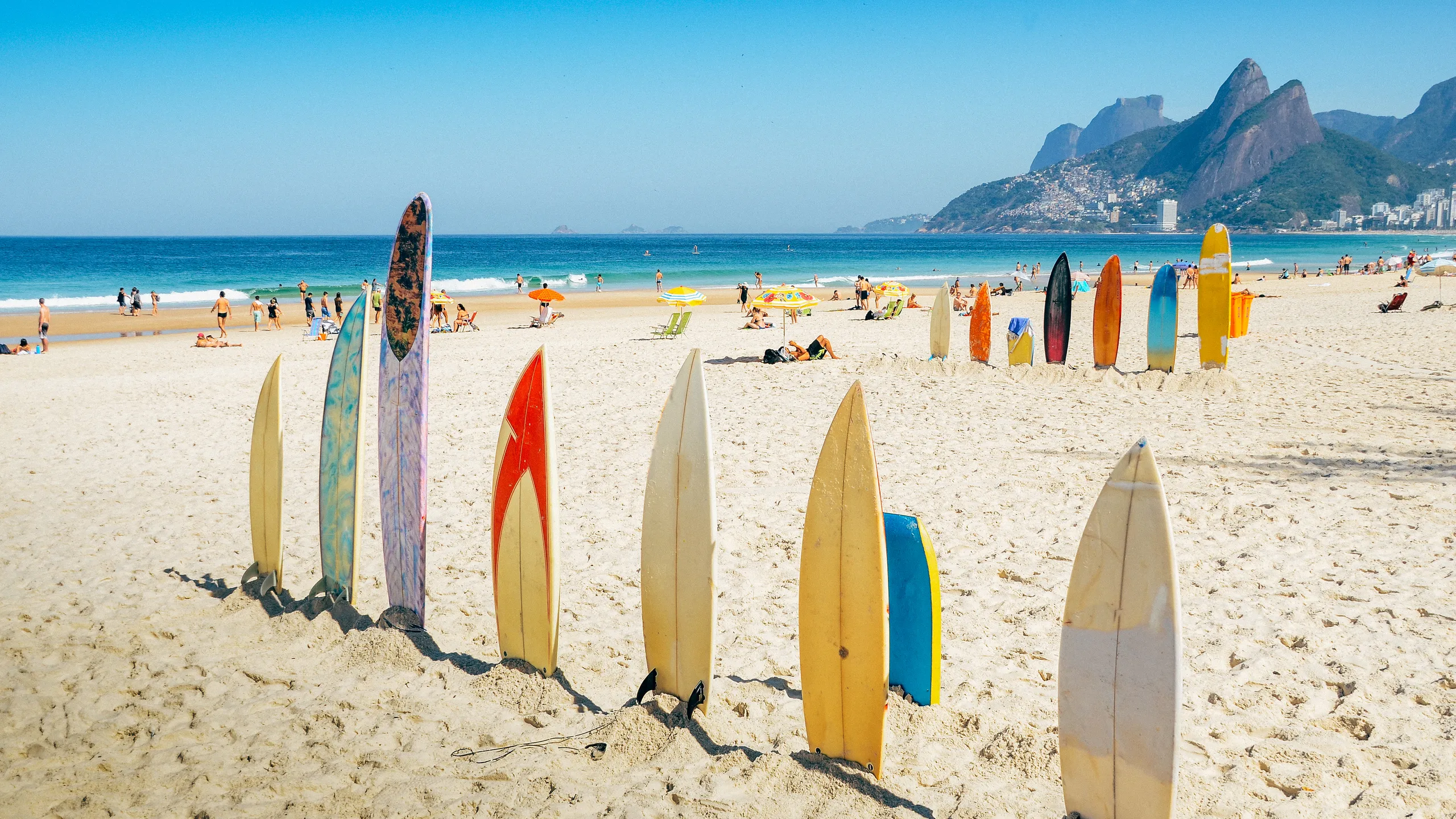
Brazil’s Tourism Ups the Ante
Brazil’s Tourism Ups the Ante March 14, 2023 Brazil is a country that is rich in natural beauty, cultural diversity, and vibrant energy. With a tourism industry that has grown steadily over the past few decades, Brazil has become a must-visit destination for travelers seeking unique experiences, breathtaking landscapes, and rich cultural heritage. One of…